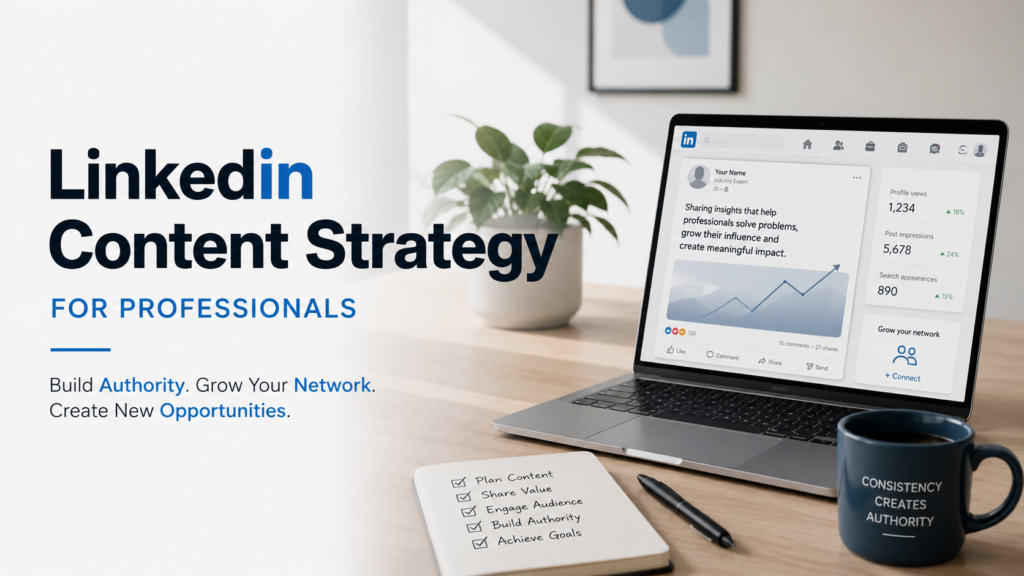
LinkedIn is no longer just a platform to upload a resume and connect with colleagues. Over the past few years, it has transformed into one of the most powerful tools for building professional credibility, showcasing expertise, and creating opportunities that would have been difficult to access through traditional networking alone. Today, professionals utilize LinkedIn to attract clients, secure partnerships, generate leads, land speaking engagements, recruit talent, and establish themselves as trusted voices within their industries.
The way people evaluate professionals has changed significantly. Before responding to a proposal, scheduling a meeting, hiring a consultant, or considering a candidate for a role, decision-makers often visit LinkedIn. They are not only reviewing work history and qualifications. They are looking for evidence of expertise, consistency, communication skills, and industry knowledge. In many cases, your content speaks on your behalf long before you have a direct conversation with someone.
This shift has created a major opportunity for professionals who understand how to use content strategically. While a well-optimized profile helps create a strong first impression, content is what keeps you visible. It allows you to demonstrate expertise instead of simply claiming it. Every post, article, insight, or professional observation contributes to how people perceive your personal brand.
Unfortunately, many professionals approach LinkedIn without a clear plan. They post occasionally when they have time, share industry news without adding their perspective, or publish content based solely on trends. While these activities may generate temporary engagement, they rarely produce meaningful long-term results. Visibility without direction often leads to inconsistent growth and unclear positioning.
This is why a LinkedIn content strategy matters.
A strong strategy ensures that every piece of content serves a purpose. Instead of posting for the sake of staying active, you create content that supports specific professional goals. Whether your objective is building authority, attracting clients, expanding your network, generating career opportunities, or becoming a recognized thought leader, a content strategy provides the roadmap needed to achieve those outcomes.
The professionals who consistently succeed on LinkedIn are rarely the ones posting the most. They are the ones who understand their audience, communicate valuable insights consistently, and position themselves strategically over time. Their content builds trust, strengthens relationships, and creates opportunities long after it is published.
In this guide, you’ll learn what a LinkedIn content strategy is, why it matters, how it differs from random posting, and how to build a sustainable approach that helps you grow your influence and professional reputation.
What Is a LinkedIn Content Strategy?
A LinkedIn content strategy is a structured plan that guides what you publish, who you publish it for, and why you publish it. It ensures that your content aligns with your professional goals rather than being driven by random ideas, trends, or occasional inspiration.
Many professionals mistakenly believe that success on LinkedIn comes from posting more frequently. In reality, frequency alone rarely creates authority. Strategic consistency is what matters. A professional who publishes thoughtful, relevant content twice a week often achieves better results than someone posting daily without a clear message or audience focus.
Think of your LinkedIn content strategy as the foundation of your professional communication. It helps you decide:
Content Strategy Blueprint
Define these foundational pillars before creating your next campaign:
-
01Who you want to reach
-
02What topics you want to be known for
-
03What goals your content should support
-
04Which content formats work best
-
05How success will be measured
Without these decisions, content creation becomes reactive. One week you discuss leadership, the next week marketing trends, followed by a personal story unrelated to your expertise. While each post may perform differently, the overall message becomes unclear. Audiences struggle to understand what you stand for and why they should continue following your content.
A strong strategy solves this problem by creating consistency.
When people repeatedly encounter valuable insights around specific topics, they begin associating your name with those areas of expertise. Over time, this repeated exposure strengthens recognition, credibility, and trust. Eventually, your audience starts viewing you as a reliable source of information rather than simply another professional sharing updates online.
Random Posting vs Strategic LinkedIn Content
| Random Posting | Strategic LinkedIn Content |
|---|---|
| Posts whenever inspiration strikes | Follows a clear publishing plan |
| Covers unrelated topics | Focuses on defined content pillars |
| Chases trends for visibility | Creates content aligned with goals |
| Measures likes only | Tracks meaningful business outcomes |
| Generates inconsistent results | Builds long-term authority |
| Creates temporary engagement | Develops trust and recognition |
This distinction is important because many professionals confuse activity with progress. Being active on LinkedIn does not automatically lead to opportunities. Strategic content creates opportunities because it communicates expertise consistently and intentionally.
A well-developed LinkedIn content strategy typically revolves around three core questions:
1. Who Is Your Audience?
Every successful content strategy begins with audience understanding.
Your audience may include potential clients, recruiters, executives, founders, investors, industry peers, employees, or decision-makers. Each audience has different challenges, goals, and interests. The more clearly you understand them, the easier it becomes to create content that resonates.
Professionals often make the mistake of creating content they personally find interesting rather than content their audience finds valuable. The most effective LinkedIn creators consistently bridge the gap between their expertise and their audience’s needs.
2. What Topics Will You Be Known For?
Authority is built through repetition.
If your content covers too many unrelated subjects, your audience struggles to understand your expertise. A content strategy helps define the key themes you want to own within your industry.
For example:
| Professional Type | Potential Content Topics |
|---|---|
| Marketing Consultant |
Demand generation
Content marketing
Branding
|
| HR Leader |
Talent acquisition
Employee engagement
Leadership
|
| Sales Professional |
Prospecting
Relationship building
Sales strategy
|
| Founder |
Entrepreneurship
Growth
Leadership
Innovation
|
| Career Coach |
Job search
Personal branding
Career development
|
These recurring themes become your content pillars and help establish a recognizable professional identity.
3. What Outcomes Do You Want?
Content should support a measurable objective.
Different professionals use LinkedIn for different reasons:
- Generate qualified leads
- Build personal brand awareness
- Attract recruiters
- Expand professional networks
- Secure speaking opportunities
- Establish thought leadership
- Increase industry visibility
When goals are clearly defined, content decisions become easier. Every post can be evaluated based on whether it contributes to the desired outcome.
Why a LinkedIn Content Strategy Matters More Than Ever
The biggest advantage of having a content strategy is clarity. Without a strategy, professionals constantly wonder what to post next. They spend time searching for ideas, reacting to trends, and creating content without understanding how it contributes to larger objectives. With a strategy, content creation becomes intentional.
Instead of asking:
“What should I post today?”
You begin asking:
“What content will help my audience while reinforcing my expertise?”
That shift changes everything.
A strategic approach also creates consistency, which is one of the most important factors in building authority online. Trust rarely develops from a single post. It develops through repeated exposure to valuable insights over time.
Every time someone sees your content, they form an impression about your expertise. One post may not have much impact. Twenty thoughtful posts published consistently over several months create a completely different perception.
This is why LinkedIn content should be viewed as a long-term professional asset rather than a short-term marketing tactic.
The benefits compound over time:
- Increased profile visibility
- More connection requests
- Higher credibility
- Stronger professional relationships
- Greater industry recognition
- More inbound opportunities
Many professionals underestimate how powerful this compounding effect can be. A post published today may continue generating profile visits, conversations, and opportunities weeks or even months later.
Key Benefits of a Strong LinkedIn Content Strategy
Builds Professional Authority
Authority is earned when people consistently associate your name with valuable insights and expertise.
When your audience repeatedly learns something useful from your content, they begin viewing you as a trusted source of information. Over time, this perception strengthens your professional reputation and differentiates you from competitors.
Increases Visibility
LinkedIn rewards meaningful engagement.
The more consistently you publish relevant content, the more opportunities you create for your audience to discover your profile. Increased visibility often leads to new connections, conversations, and opportunities.
Strengthens Your Personal Brand
Your personal brand is shaped by what people think about you when you’re not in the room.
Content allows you to actively influence that perception by showcasing your knowledge, experiences, values, and professional perspective.
Creates Networking Opportunities
Many professional relationships now begin through content interactions.
Comments, shares, and conversations often lead to introductions, collaborations, partnerships, and business opportunities that would not have occurred otherwise.
Generates Business and Career Opportunities
Whether you’re seeking clients, partnerships, speaking engagements, or career advancement, content helps attract opportunities by demonstrating expertise before a direct conversation ever takes place.
Important Key Takeaways
Before building your strategy, remember these essential principles:
Final Thoughts
A LinkedIn content strategy is not simply a publishing schedule or a collection of content ideas. It is a deliberate approach to building professional influence, demonstrating expertise, and creating opportunities through consistent communication. The professionals who achieve the strongest results on LinkedIn understand that content is more than a visibility tool. It is a reputation-building asset. Every post contributes to how others perceive your expertise, credibility, and value. Rather than focusing on posting more often, focus on posting with purpose. Understand your audience, define your content pillars, align content with professional goals, and commit to delivering value consistently.
Over time, those efforts compound into something far more valuable than likes or impressions: trust, authority, and meaningful professional opportunities. The question is no longer whether professionals should create content on LinkedIn. The real question is whether they are creating content strategically enough to achieve the results they want.
]Frequently Asked Questions